
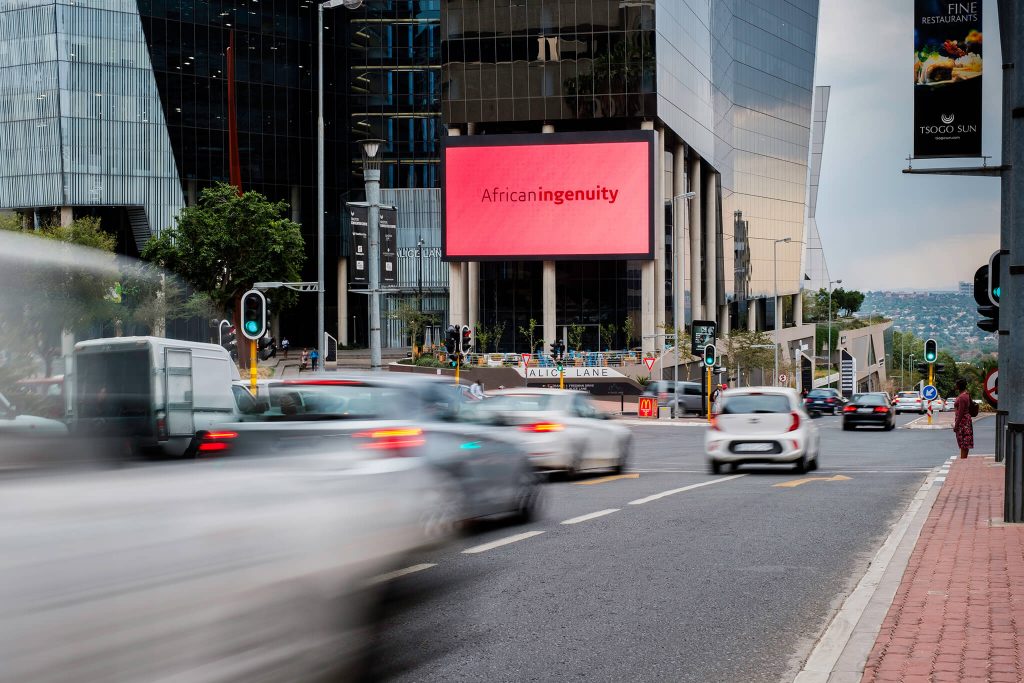
For decades, Out-of-Home advertising was treated as a supporting channel — a high-impact canvas for brands, but rarely a strategic platform in its own right.
In 2026, Digital Out-of-Home (DOOH) is no longer just media. It is fast becoming the physical interface between brands, cities, and people.
Screens are evolving into data-driven nodes, locations are becoming programmable and public space is turning into a dynamic, responsive layer of the digital economy. In many ways, DOOH is becoming what the internet once was – an operating system for how information, culture, and commerce move through society.
This shift will define the next decade of advertising and fundamentally reshape how cities, brands, and audiences interact.
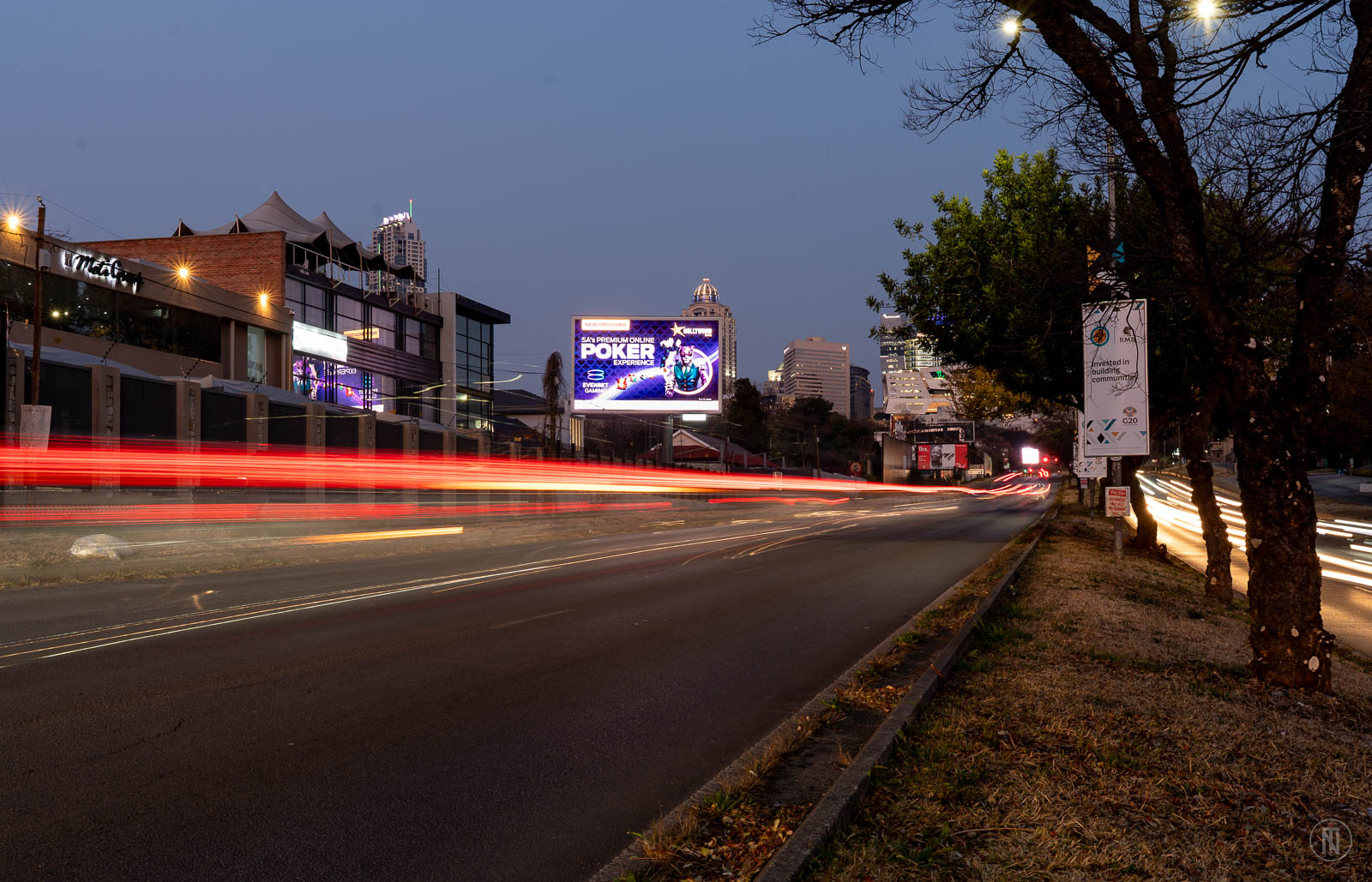
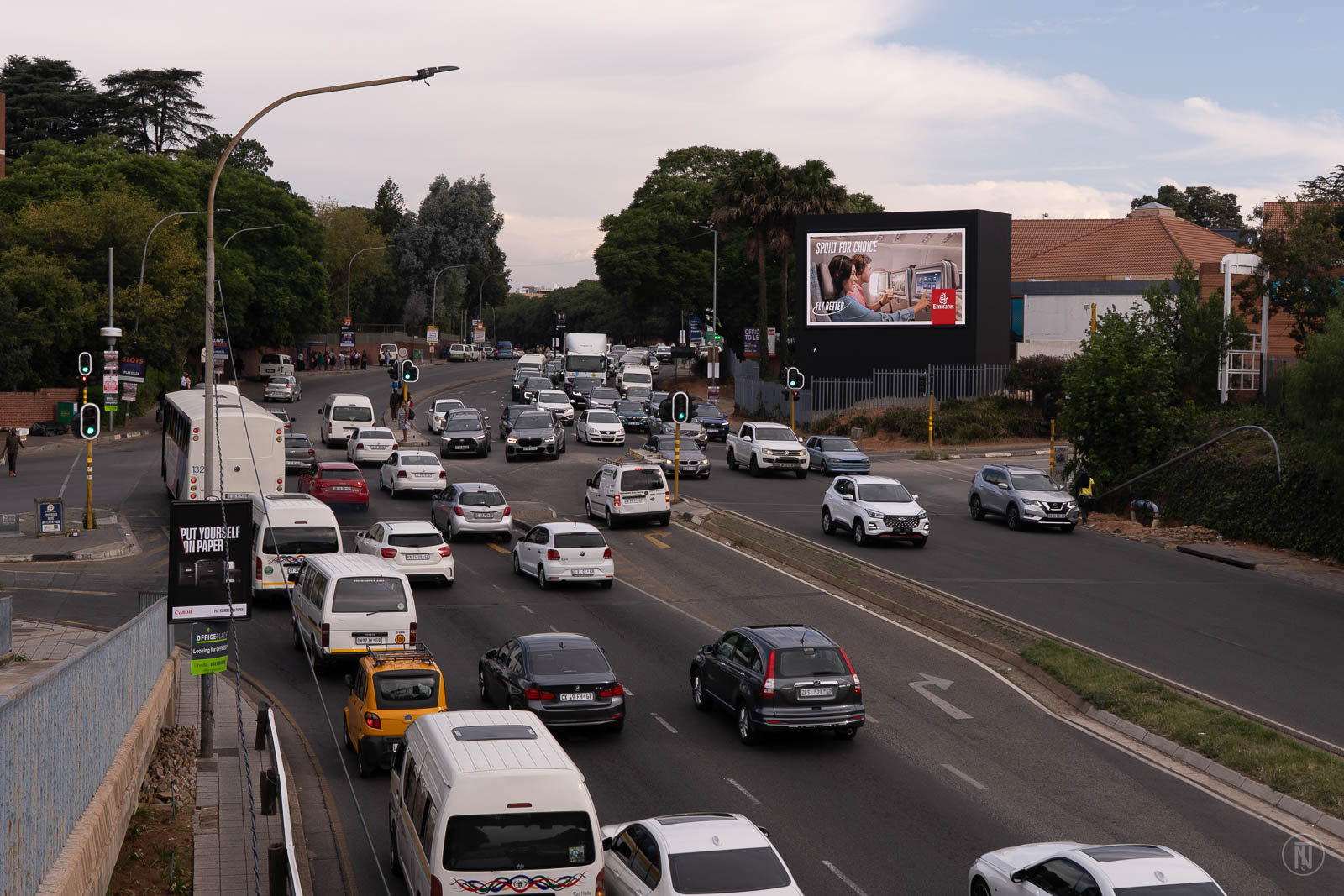
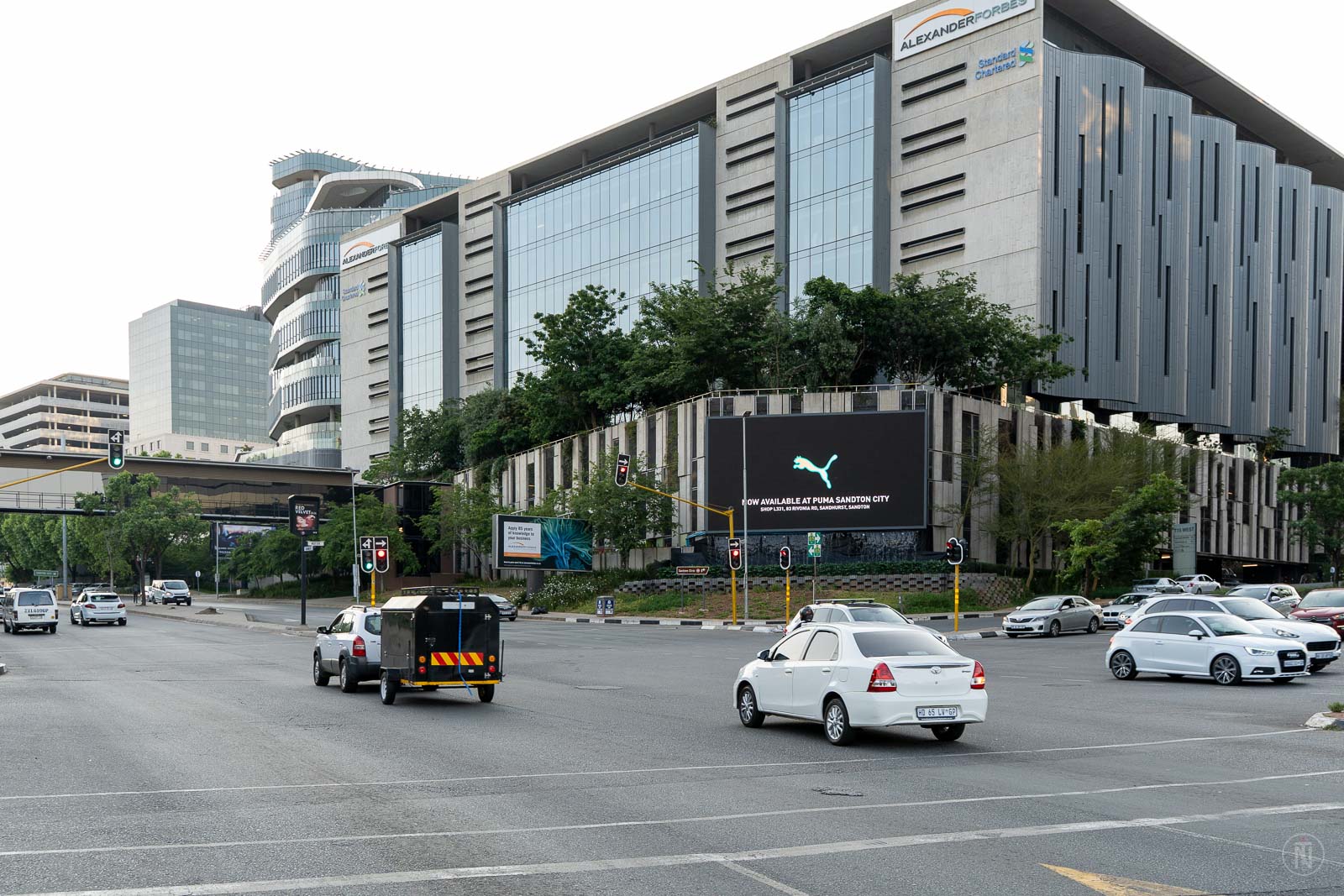
The Rise of the “Physical Digital Layer”
The internet transformed how people behave online, DOOH is now doing the same in the physical world.
Every screen is becoming a real-time interface:
- Reacting to time of day, weather, traffic, and events
- Integrating with mobile, social, and commerce platforms
- Triggering search, discovery, and purchase journeys
- Bridging online data with offline behaviour
Unlike traditional digital media, DOOH operates in shared public space, where messages are experienced collectively, not individually. While digital platforms fragment audiences into micro-targeted bubbles, DOOH reconnects them in real-world environments.
From Impressions to Influence
Historically, media was measured in impressions, modern DOOH with the ability to access data on the audiences and flighting of content, is measured in influence.
Brands are no longer asking – “How many people saw this?” They are asking – “What did this change?”
DOOH is uniquely positioned to answer that question because it sits at the intersection of:
- Mobility (where people go)
- Context (what they are doing)
- Culture (what they care about)
- Commerce (what they buy)
When used thoughtfully, DOOH doesn’t just support digital campaigns, it helps connect them to real-world moments. It often plays a role in moving audiences from awareness toward consideration and action.
The Convergence of Property, Media, and Technology
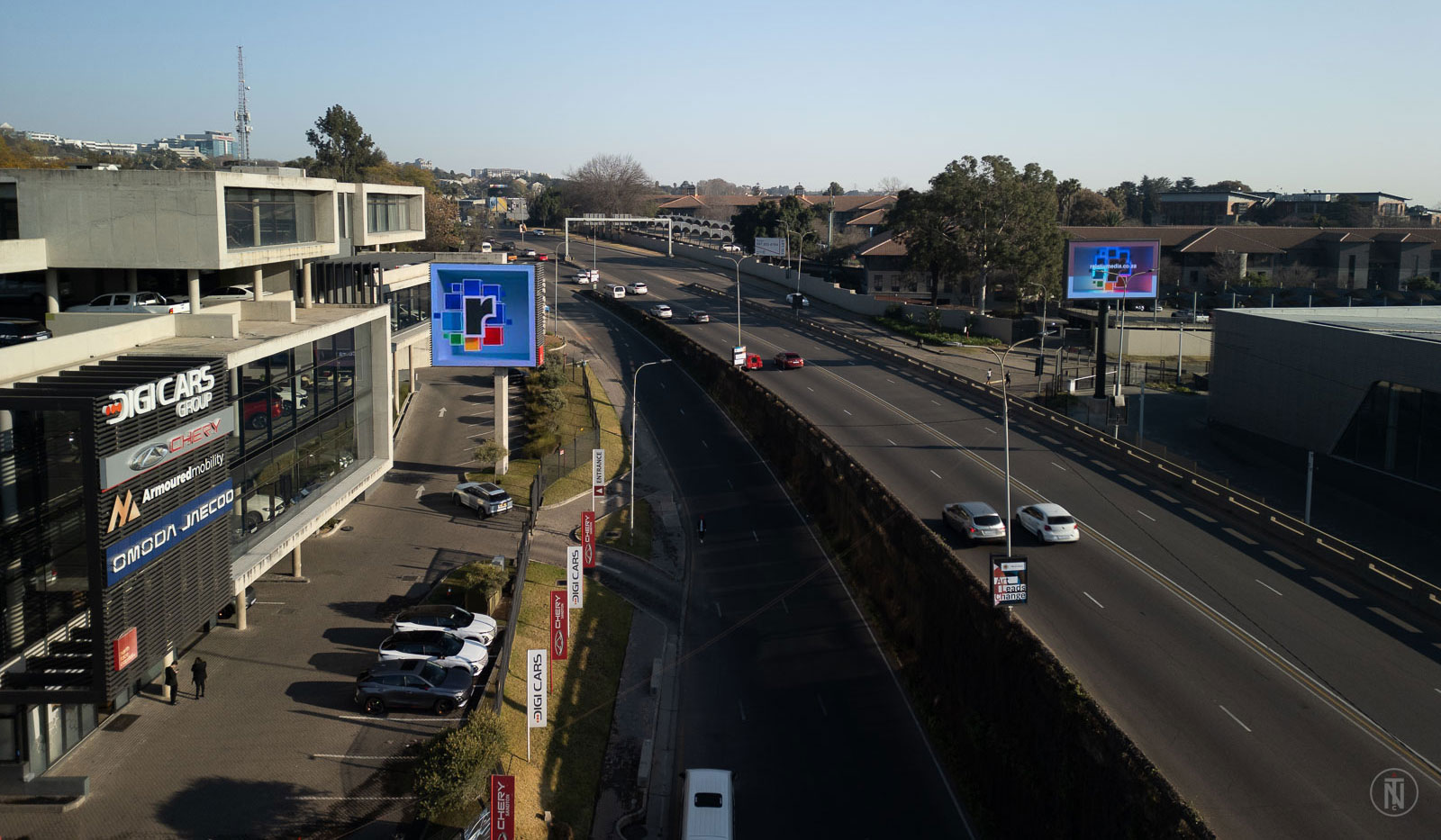
One of the most profound shifts in DOOH is happening outside advertising itself. Property owners, developers, and asset managers are beginning to understand that screens are no longer decorative, they are revenue-generating infrastructure.
Across global cities, we are seeing:
- Retail centres monetising footfall through media networks
- Forecourts evolving into lifestyle and commerce hubs
- Transport nodes becoming premium media ecosystems
- Sports and leisure venues turning audiences into data-rich communities
In this new model, DOOH sits at the centre of a three-way convergence:
Property × Technology × Brand Capital
The most valuable real estate in the future will not just be physical space, it will be attention-rich space.
Conclusion:
The future of DOOH is not defined by bigger screens or higher impression counts. What matters is not how many screens exist, but how meaningfully they are integrated into the environments people move through every day.
As cities become smarter and audiences harder to reach through traditional digital channels, DOOH is increasingly influencing how ideas, messages, and commercial opportunities move through urban spaces.
For brands and property owners, the opportunity is not about choosing between online or offline channels, it lies in understanding and investing in the space where the two meet.